Evidence Based Consultation (EBC LLC) NPI Porivder Identity 1639783574

child autism assessment near me and adhd testing ebc llc
Is your child facing emotional overwhelm or task paralysis? Discover the neurochemistry behind ADHD and autism to overcome behavioral stigma and implement effective parenting strategies.
Dr. Michelle Rad, Licensed Clinical Psychologist
6/1/20262 min read
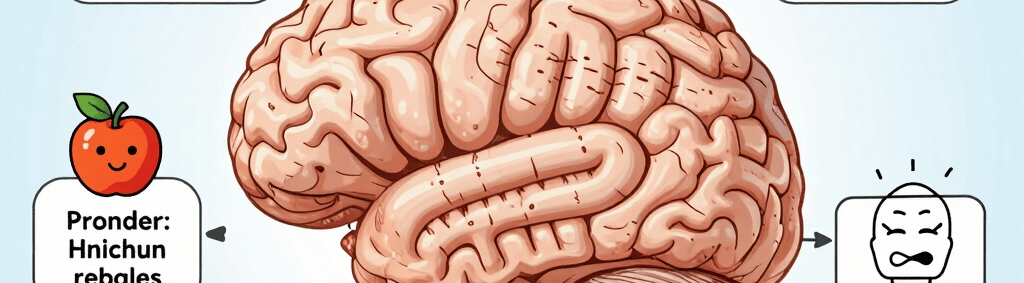

Growing up is a whirlwind, but for neurodivergent children and teens, that whirlwind can feel a bit more intense. Whether your child has a diagnosis of ADHD, Autism, or both, understanding how their "internal hardware" works can change the way you support them at home and at school.
Here is a simple look at the science behind these two unique brain types.
1. The Fuel System (Neurochemistry)
ADHD: The "Race Car" Brain. The ADHD brain has a high-performance engine but "brakes" that are still being installed. Because of lower Dopamine levels, these kids aren't "naughty"—they are simply "low on fuel" for boring tasks. They need high-interest, high-speed activities to feel engaged.
Autism: The "Super Computer" Brain. The Autistic brain is like a powerful computer processing massive amounts of data at once. Because of differences in GABA (the brain's "calming" chemical), these kids often lack a filter for sensory input. They see, hear, and feel everything in high definition, which can be exhausting.
2. Emotional Regulation: The "Pop" vs. The "Pressure"
ADHD (Emotional Impulsivity): For a teen with ADHD, emotions can be like a soda bottle. If you shake it, it pops immediately. The reaction is fast and loud, but once the pressure is out, they are often ready to move on and be happy again five minutes later.
Autism (Sensory Meltdown): For an Autistic child, a meltdown is more like a pressure cooker. It's not about "not getting their way"; it's about the environment (lights, noise, social demands) being too much for the brain to handle. They don't need "discipline" in that moment; they need a "reset" in a quiet space.
3. Social Energy: Connection Styles
The ADHD Social Style: Often very social but may struggle with "blurting" or missing the "stop" signals from friends because their brain is moving so fast. They are often the "life of the party" but struggle with the follow-through.
The Autistic Social Style: Often prefers deep, meaningful connections over "small talk." They may find social rules like eye contact or "reading between the lines" confusing because their brain prefers clear, direct communication.
The Practical Takeaway for Parents
The most important thing to remember is that behavior is communication.
For ADHD: Focus on Structure + Spark. They need clear routines, but they also need "dopamine breaks" (movement, play, or interest-based rewards) to keep their engine running.
For Autism: Focus on Predictability + Peace. Give them "transition warnings" before changing tasks and ensure they have a "sensory sanctuary" where they can go to unplug and recharge.
We aren't trying to change their brains; we are trying to build an environment where their specific brain type can thrive.

Evidence-Based Consultation (EBC LLC) NPI Provider Identity: 1639783574
Address: Serving Patients Virtually Across 50+ PsyPact States | Ashburn, VA 20147
Contact: (703)727-5243 | Support@evidencebasedconsultation.com
[Privacy Policy] | [Terms of Use] | [Telehealth Consent]
© 2026 Evidence Based Consultation LLC. All rights reserved. Registered trademark property of respective owners. Evidence Based Consultation (EBC LLC) is proudly partnered with and owned by Self Knowledge Base & Foundation.Address